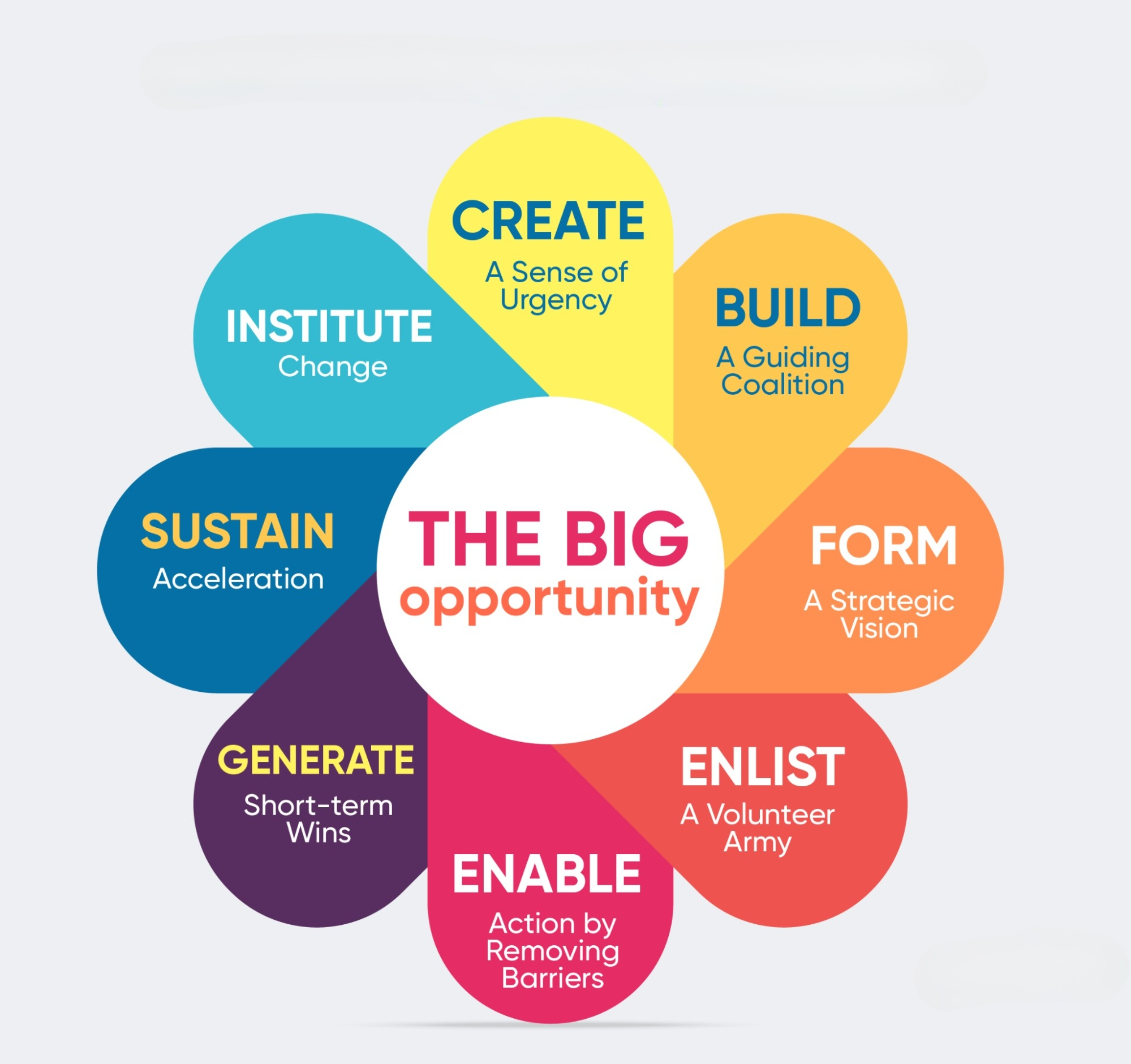

Change is inevitable in today's fast-paced business environment. Whether it's adapting to new technologies, responding to market shifts, or implementing organizational restructuring, effective change management is essential for navigating transitions smoothly and ensuring long-term success. Let's explore strategies for successfully managing organizational change, including communication strategies, addressing resistance to change, and fostering a culture of adaptability.
1. Clear Communication: Effective communication is key to successful change management. Transparent and frequent communication helps employees understand the rationale behind the change, its impact on their roles, and the expected outcomes. Here are some communication strategies to consider:
- Start Early: Begin communicating about the change as soon as possible to provide employees with ample time to process and prepare for the transition. Clearly articulate the reasons for the change and how it aligns with the organization's goals and vision.
- Tailor Messages: Customize communication messages to different stakeholders based on their roles, concerns, and level of involvement in the change process. Provide relevant information that addresses their specific needs and how the change will impact them personally.
- Two-Way Communication: Encourage open dialogue and feedback from employees throughout the change process. Create opportunities for employees to ask questions, share concerns, and provide input, fostering a sense of inclusion and ownership in the change process.
2. Addressing Resistance to Change: Resistance to change is natural and can arise due to fear of the unknown, uncertainty about the future, or concerns about personal impact. Effective change management involves addressing resistance proactively and fostering a supportive environment for embracing change. Here are some strategies:
- Understand Root Causes: Take the time to understand the underlying reasons for resistance to change. Engage in empathetic conversations with employees to identify their concerns and fears, and address them with empathy and transparency.
- Provide Support and Resources: Offer training, coaching, and resources to help employees develop the skills and knowledge needed to adapt to the change successfully. Provide emotional support and reassurance to employees as they navigate through the transition.
- Lead by Example: Demonstrate your commitment to the change by leading by example. Embrace the change yourself, communicate openly about your own experiences and challenges, and showcase the benefits of the change through your actions.
3. Fostering a Culture of Adaptability: Building a culture of adaptability is essential for long-term success in today's rapidly evolving business landscape. A culture that embraces change and innovation enables organizations to respond effectively to challenges and seize new opportunities. Here's how to foster a culture of adaptability:
- Encourage Experimentation: Create a safe environment where employees feel empowered to experiment, take calculated risks, and learn from failures. Encourage a mindset of continuous improvement and innovation throughout the organization.
- Reward and Recognize Adaptability: Recognize and reward employees who demonstrate adaptability and embrace change. Celebrate successes and achievements that result from embracing change, reinforcing the value of adaptability within the organization.
- Invest in Learning and Development: Provide opportunities for ongoing learning and development to help employees stay agile and adaptable in the face of change. Offer training programs, workshops, and resources that focus on building resilience, flexibility, and change management skills.
Successfully navigating organizational change requires a combination of clear communication, addressing resistance, and fostering a culture of adaptability. By implementing these strategies, organizations can effectively manage transitions, engage employees, and drive positive outcomes. Embracing change as a continuous process enables organizations to stay agile, innovative, and competitive in today's dynamic business landscape.