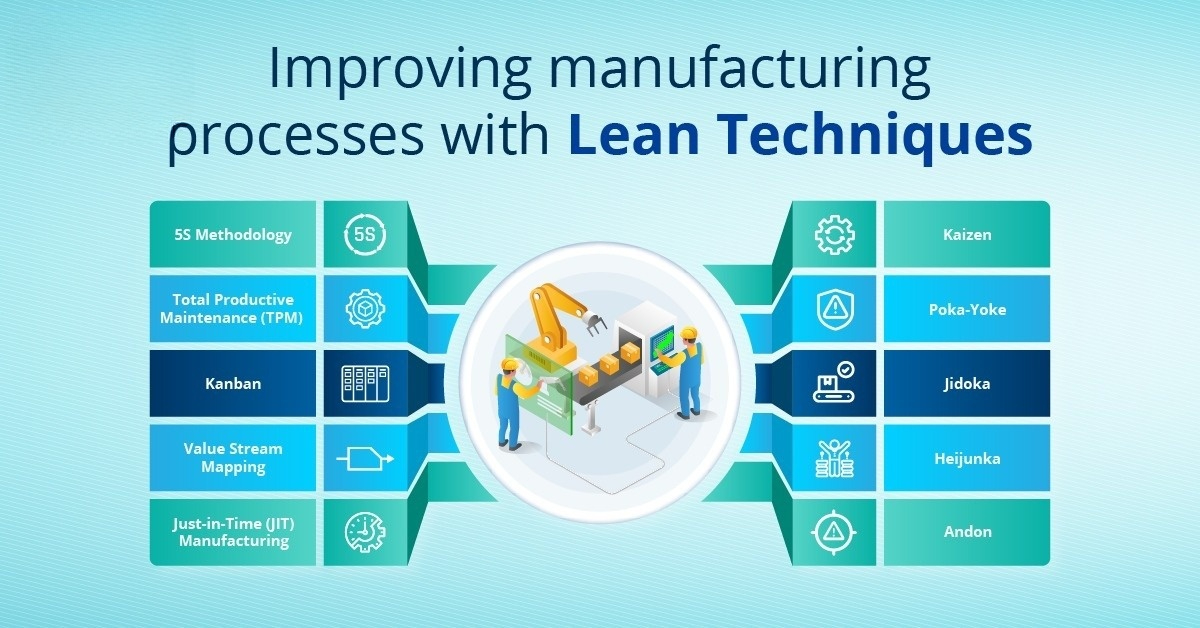

In today's competitive manufacturing landscape, optimizing production processes is crucial for maintaining a competitive edge. Lean principles offer a proven methodology for improving manufacturing efficiency, reducing waste, and enhancing overall quality. By embracing lean principles, manufacturers can streamline operations, increase productivity, and deliver greater value to customers. Let us explore how lean principles can revolutionize manufacturing processes and drive sustainable success.
1. Understanding Lean Principles: At its core, lean manufacturing is about maximizing value while minimizing waste. It originated from the Toyota Production System (TPS) and has since been adopted by companies worldwide to improve efficiency and quality. The key principles of lean manufacturing include:
- Identify Value: Define value from the customer's perspective and understand what they are willing to pay for. Focus on delivering products and services that meet customer needs and add value.
- Map Value Stream: Map the entire value stream of your manufacturing process, from raw materials to the delivery of finished products. Identify areas of waste and inefficiency to streamline processes and eliminate non-value-added activities.
- Create Flow: Create a smooth and continuous flow of materials and information throughout the production process. Minimize delays, bottlenecks, and interruptions to optimize flow and improve efficiency.
- Implement Pull Systems: Adopt pull-based production systems where production is driven by customer demand. Produce only what is needed, when it is needed, to avoid overproduction and excess inventory.
- Pursue Perfection: Continuously strive for perfection by eliminating waste, improving processes, and fostering a culture of continuous improvement. Empower employees to identify and implement solutions to problems and inefficiencies.
2. Improving Efficiency and Productivity: Lean principles provide a systematic approach to improving efficiency and productivity in manufacturing processes. By identifying and eliminating waste, manufacturers can streamline operations and reduce lead times. Here's how lean principles can improve efficiency:
- Just-in-Time (JIT) Manufacturing: Implementing JIT principles helps minimize inventory levels and reduce storage costs while ensuring that materials are available exactly when needed. This reduces waste associated with excess inventory and improves cash flow.
- Standardized Work: Standardizing work processes and procedures helps create consistency and predictability in manufacturing operations. This reduces variation, improves quality, and enhances productivity by eliminating time-consuming and inefficient practices.
- Visual Management: Visual management techniques, such as Kanban boards and visual work instructions, provide clear and easily understandable information to employees. This improves communication, reduces errors, and enhances efficiency by making information readily accessible.
3. Enhancing Quality and Customer Satisfaction: Lean principles not only focus on improving efficiency but also emphasize delivering high-quality products and services that meet customer expectations. By reducing waste and optimizing processes, manufacturers can improve product quality and enhance customer satisfaction. Here's how lean principles can enhance quality:
- Error Prevention: By identifying and eliminating sources of waste and defects, manufacturers can prevent errors from occurring in the first place. Implementing error-proofing techniques and quality control measures helps ensure that products meet quality standards and specifications.
- Continuous Improvement: Lean principles promote a culture of continuous improvement, where employees are encouraged to identify and address opportunities for improvement. This fosters innovation, drives process optimization, and results in higher-quality products and services.
- Customer Focus: Lean manufacturing emphasizes understanding and meeting customer needs and preferences. By delivering products and services that add value and exceed customer expectations, manufacturers can enhance customer satisfaction and build long-term relationships.
Lean principles offer a powerful framework for improving manufacturing processes, enhancing efficiency, and delivering high-quality products and services. By embracing lean principles and fostering a culture of continuous improvement, manufacturers can streamline operations, reduce waste, and achieve sustainable success in today's competitive marketplace. Investing in lean manufacturing practices not only drives operational excellence but also enables manufacturers to meet customer demands and adapt to changing market conditions effectively.