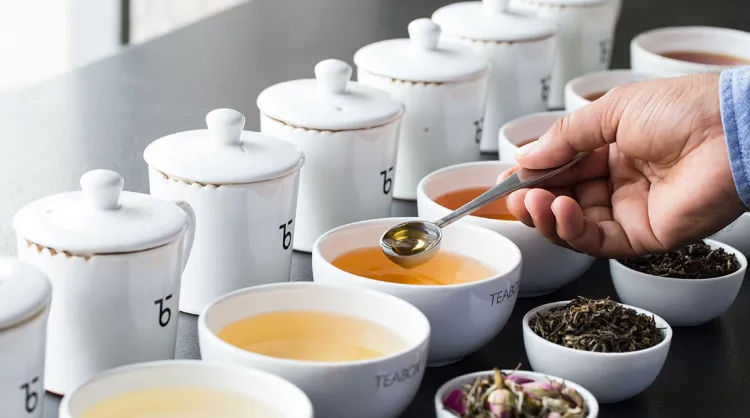

Tea, with its diverse range of flavors and aromas, offers a sensory journey like no other. From delicate floral notes to bold and robust profiles, each tea variety has its own unique characteristics that appeal to different palates. Let us delve into the art of identifying the best teas by considering factors such as flavor, aroma, appearance, and more. Whether you're a seasoned tea connoisseur or a novice enthusiast, this guide will help you navigate the world of tea with confidence and discover your perfect cup.
1. Flavor Profiles: Flavor is perhaps the most defining characteristic of tea and can vary widely depending on factors such as tea type, origin, and processing methods. Here are some common flavor profiles to look for when identifying the best teas:
- Floral: Teas with floral notes often feature delicate and aromatic flavors reminiscent of flowers such as jasmine, rose, or lavender. Look for teas like Jasmine Green Tea or Darjeeling First Flush for a floral experience.
- Malty: Malty teas, such as Assam and Yunnan black teas, are characterized by their bold and robust flavors with hints of caramel or chocolate. These teas are often preferred by those who enjoy a hearty and full-bodied brew.
- Grassy/Umami: Green teas like Sencha and Matcha exhibit grassy or umami flavors with a slightly vegetal taste. These teas are known for their refreshing and clean profiles, making them ideal for those seeking a lighter and more nuanced cup.
- Earthy: Pu-erh and Oolong teas are known for their earthy and complex flavors, with notes of wood, moss, or minerals. These teas undergo unique fermentation or oxidation processes, resulting in rich and layered profiles that evolve with each steeping.
2. Aroma: The aroma of tea plays a significant role in the overall sensory experience and can provide clues about its quality and freshness. Here are some aroma profiles to consider when evaluating teas:
- Floral: Floral teas often boast fragrant and aromatic bouquets reminiscent of fresh flowers or blossoms. Inhale deeply and look for teas with a pronounced floral aroma, indicating high-quality leaves and careful processing.
- Fruity: Some teas feature fruity aromas with notes of citrus, berries, or stone fruits. Look for teas like Earl Grey or Taiwanese High Mountain Oolong, which exhibit vibrant and fruity aromas that complement their flavor profiles.
- Woody/Earthy: Teas with woody or earthy aromas may evoke scents of damp soil, moss, or forest floor. These aromas are often found in aged teas like Pu-erh or certain Oolong varieties, adding depth and complexity to the overall sensory experience.
3. Other Factors: In addition to flavor and aroma, several other factors can help identify the best teas:
- Appearance: Examine the appearance of tea leaves or infusions for clues about quality and freshness. Look for well-twisted, whole leaves with vibrant colors and uniformity, indicating premium-grade tea.
- Liquor Color: The color of the brewed tea, known as liquor, can provide insights into its flavor profile and strength. Lighter liquors may indicate delicate or milder flavors, while darker liquors often signify bolder and more robust profiles.
- Mouthfeel: Pay attention to the texture and mouthfeel of the tea, noting its body, smoothness, and lingering aftertaste. Premium teas often exhibit a smooth and velvety mouthfeel with a clean finish.
Identifying the best teas involves a holistic approach that considers factors such as flavor, aroma, appearance, and more. By exploring different tea varieties and paying attention to sensory cues, you can develop a discerning palate and discover teas that resonate with your preferences. Whether you prefer floral and delicate brews or bold and robust profiles, there's a world of tea waiting to be explored. So, brew a pot, engage your senses, and embark on a flavorful journey of discovery in the fascinating world of tea.