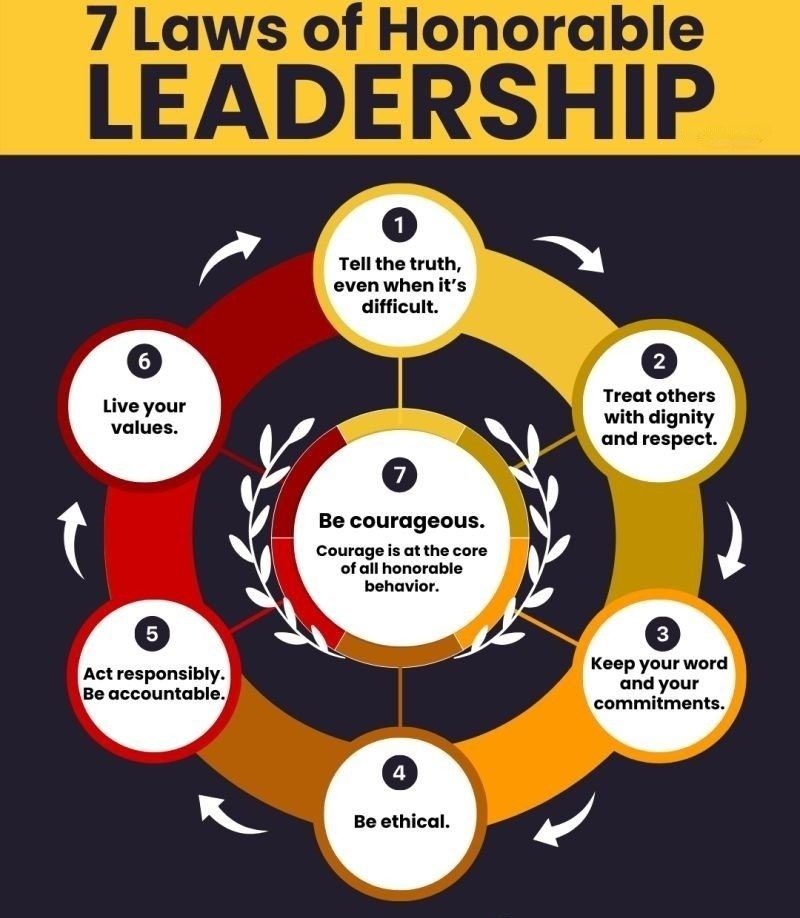

Leadership is a timeless concept that transcends industries, cultures, and generations. It's a quality that can transform individuals, teams, and entire organizations. In today's fast-paced and ever-changing world, effective leadership is more crucial than ever. Whether you're leading a team of two or two hundred, the ability to inspire, motivate, and guide others towards a common goal is a skill that can drive success and innovation.
Let's delve into the essence of leadership, exploring what it means to be a leader, the qualities of effective leadership, and how individuals can cultivate and unleash their leadership potential to create positive change and growth.
Understanding Leadership: At its core, leadership is about influence and impact. It's the ability to inspire others to achieve goals and visions that they may not have been able to accomplish on their own. While some may view leadership as a position or title, true leadership is not confined to hierarchy. It can emerge at any level of an organization or within various aspects of life.
Effective leaders possess a combination of innate traits and learned skills that enable them to navigate challenges, foster collaboration, and drive results. These qualities include:
1. Vision: A clear and compelling vision provides direction and purpose, guiding both the leader and their team towards a common goal. Leaders who can articulate a compelling vision inspire others to join them on their journey.
2. Communication: Effective communication is essential for building trust, fostering collaboration, and ensuring clarity of purpose. Leaders who listen actively, communicate transparently, and adapt their communication style to different audiences can effectively convey their vision and motivate others to action.
3. Empathy: Empathetic leaders understand and connect with the emotions, perspectives, and needs of those they lead. By demonstrating empathy, leaders build trust, strengthen relationships, and create a supportive environment where individuals feel valued and understood.
4. Resilience: Leadership is not without its challenges and setbacks. Resilient leaders remain steadfast in the face of adversity, adapting to change, learning from failures, and inspiring others to persevere towards their goals. 5. Accountability: Leaders hold themselves and others accountable for their actions, decisions, and results. By setting high standards, providing constructive feedback, and taking responsibility for outcomes, leaders foster a culture of accountability and continuous improvement.
Cultivating Leadership Potential: While some individuals may naturally possess certain leadership qualities, leadership is a skill that can be developed and honed over time. Here are some strategies for cultivating leadership potential:
1. Seek Feedback: Solicit feedback from peers, mentors, and team members to gain insights into your strengths and areas for growth. Embrace feedback as an opportunity for learning and self-improvement.
2. Invest in Learning: Continuously seek opportunities to expand your knowledge, skills, and perspectives through formal education, professional development programs, and self-directed learning.
3. Lead by Example: Demonstrate the qualities of effective leadership in your actions, behaviors, and decision-making. Serve as a role model for others to emulate and inspire.
4. Build Relationships: Invest time and effort in building authentic relationships based on trust, respect, and mutual understanding. Effective leadership is built on strong relationships with those you lead and collaborate with.
5. Embrace Challenges: View challenges and obstacles as opportunities for growth and learning. Embrace discomfort, take calculated risks, and learn from both successes and failures.
Unleashing Leadership Potential: As individuals cultivate their leadership potential, they have the opportunity to unleash their leadership in various contexts and make a positive impact. Whether leading a team, driving organizational change, or advocating for a cause, effective leadership has the power to inspire change, foster innovation, and drive growth.
By embodying the qualities of effective leadership, cultivating their skills, and leading with purpose and passion, individuals can unleash their leadership potential to create a brighter future for themselves and those they lead.
Conclusion: Leadership is not a destination but a journey of growth, learning, and impact. By understanding the essence of leadership, cultivating their potential, and unleashing their leadership in various contexts, individuals can inspire change, foster collaboration, and drive growth in today's complex and dynamic world. As we continue on our leadership journey, let us embrace the opportunity to lead with vision, empathy, and resilience, empowering ourselves and others to achieve greatness.